Industries
We speak the languageof your industry.
We work with export-heavy and regulated sectors, where carbon and disclosure carry real financial weight. In each, the work is framed in the terms the industry is measured on: cost, margin, capital and market access.
01Seven sectors
Where the obligation bites differs sharply.
CBAM weighs on metals and chemicals, EUDR on commodities, and buyer scorecards vary by industry. We scope to the obligations you actually carry.
Chemicals & petrochemicals
CBAM exposure on covered goods, process emissions, and product-level data demanded down the chain.
Pharmaceuticals
Scope 3 across a complex supplier base, buyer scorecards, and disclosure across several jurisdictions at once.
Textiles & apparel
Value-chain traceability, EU buyer requirements, and product footprints that decide contracts.
Automotive & engineering
Supplier decarbonization targets passed down, and product carbon data required per component.
Manufacturing
Energy and process abatement, EPDs for tenders, and a funded pathway the board can approve.
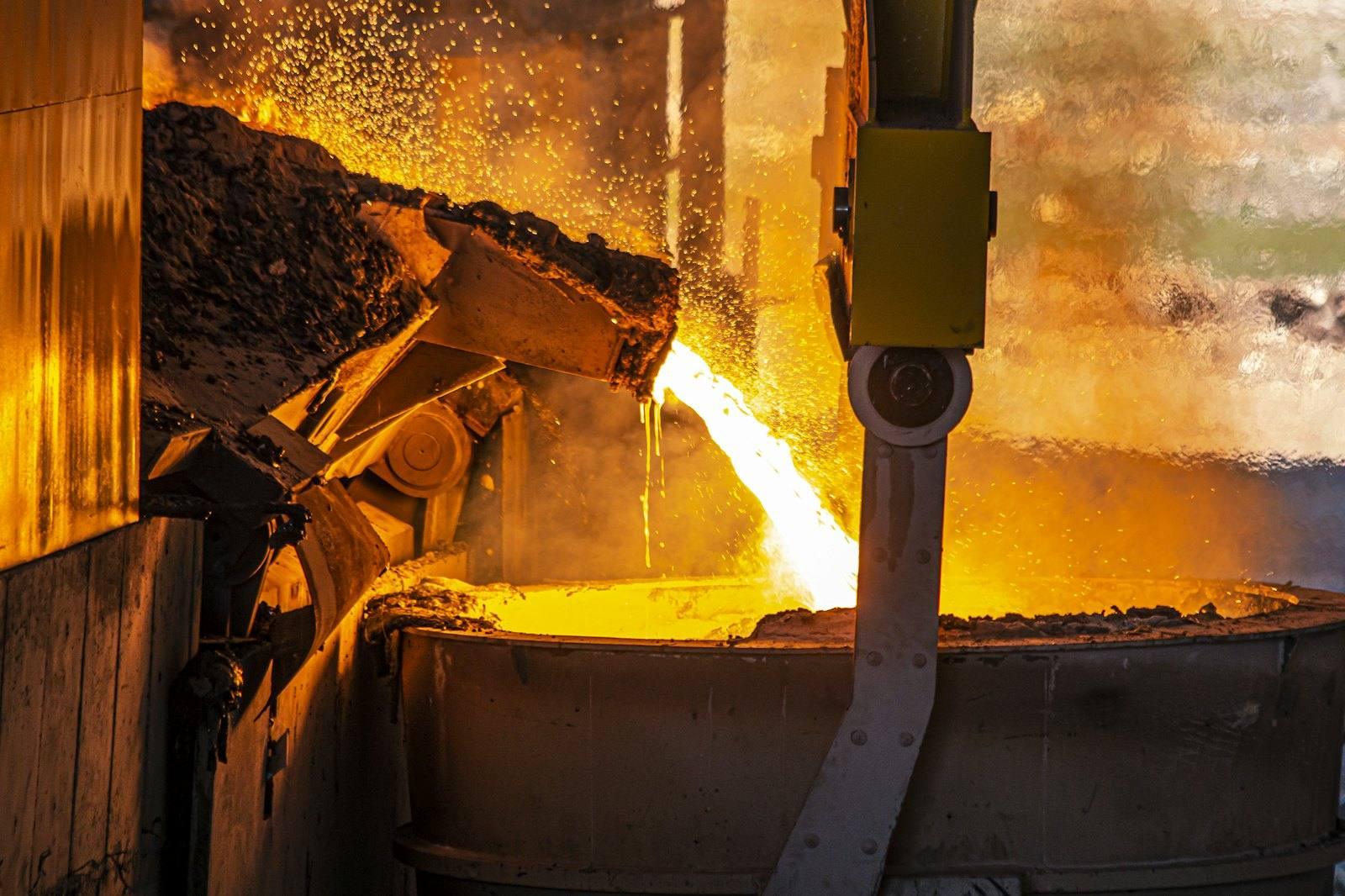
Metals & mining
Direct CBAM exposure, hard-to-abate process emissions, and heavy scrutiny of nature and community impact.
Consumer goods
Retailer scorecards, EUDR-covered commodities, and public claims that must survive inspection.
02What applies to whom
The obligations that decide the work.
Most mandates are set less by sector than by what you sell, where you sell it, and who you sell it to. These are the mechanisms that most often determine scope.
-
01
CBAM
Iron and steel, aluminium, cement, fertilisers, electricity and hydrogen sold into the EU.
-
02
EUDR
Cattle, cocoa, coffee, palm oil, rubber, soy and wood, and many derived products.
-
03
Disclosure
BRSR, CSRD and IFRS S1/S2, by listing, size and jurisdiction.
-
04
Buyer scorecards
EcoVadis, CDP and customer questionnaires, which reach far below any threshold.
We map the exact obligations across your jurisdictions and value chain before proposing any work.
03How we frame it
In the terms the industry is measured on.
Cost, margin, capital and market access. A sustainability team and a finance team ask the same question in different languages, and the work has to answer both.
That is why a CBAM engagement produces a margin model, an EPD engagement produces a tender qualification, and a net-zero engagement produces a financing case.
04Questions
Answered plainly.
Yes. Obligations differ sharply. CBAM weighs on metals and chemicals, EUDR on commodities, and buyer scorecards vary by industry.
Usually. The sectors above are where we work most often, but scope is set by your obligations rather than your industry label. A short conversation establishes whether we are the right fit.
Next
Request a briefing.
Every engagement begins with a senior advisor and a confidential conversation to test fit and scope. A response within one business day.