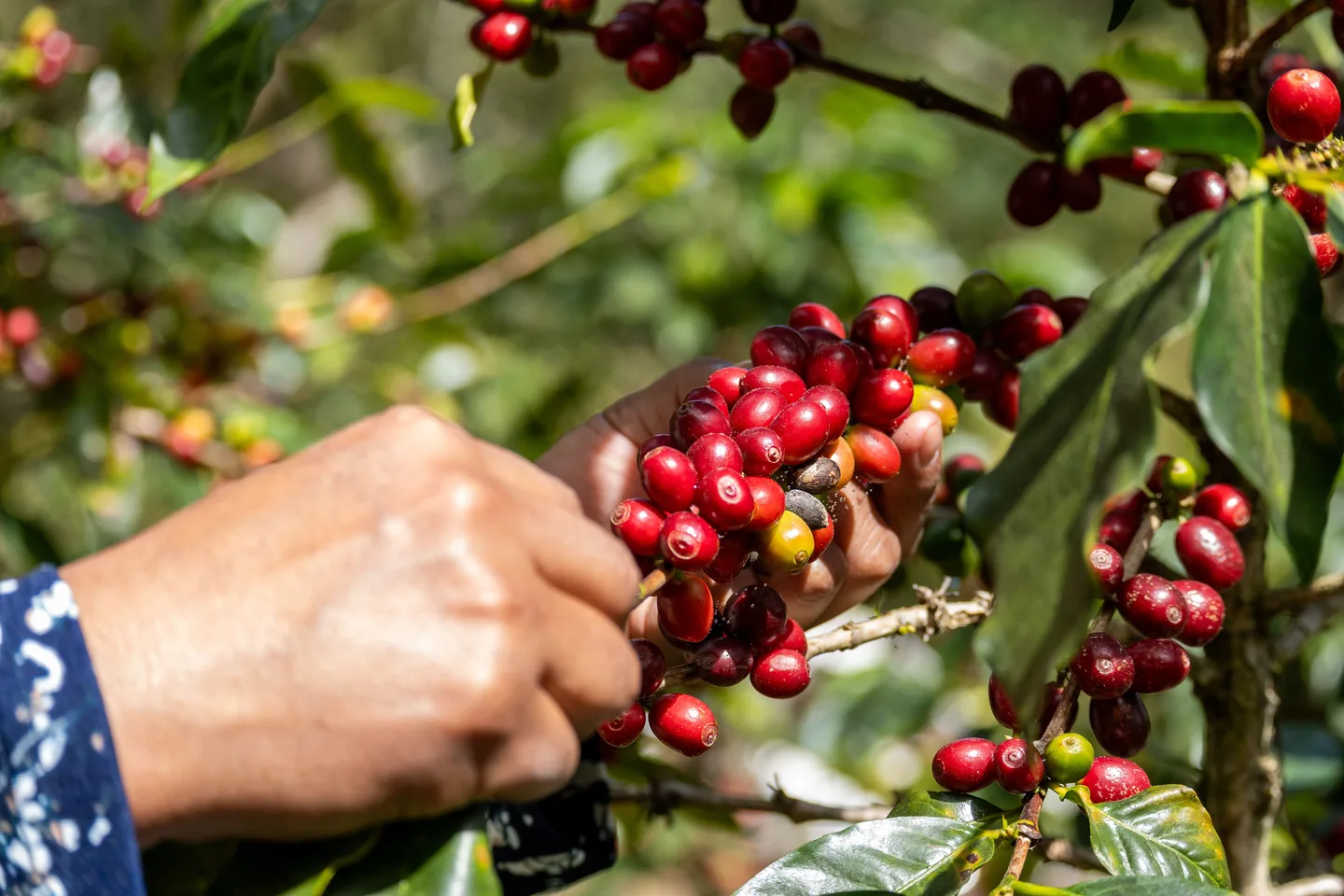
In short
EUDR bars seven commodities from the EU market unless they are proven deforestation-free. The proof is plot-level geolocation for every source, carried in a Due Diligence Statement filed before the goods are placed on the market or exported.
What it is
The EU Deforestation Regulation requires that covered commodities placed on the EU market are deforestation-free and traceable to the plot of land where they were produced, backed by a due-diligence statement.
Why it matters
Non-compliance blocks EU market access. The core requirement is precise plot-level geolocation and a defensible due-diligence process — data that takes time to build.
The timeline is fixed under Regulation (EU) 2025/2650 (published December 2025): large and medium operators and traders must comply from 30 December 2026, and micro and small operators from 30 June 2027 (European Commission; PSQR, 2026). It covers seven commodities — cattle, cocoa, coffee, palm oil, rubber, soy and wood — plus derived products.
What & how we do it
The work, in the order we do it.
- Establish plot-level geolocation
- Prepare due-diligence statements and risk assessment against the EU benchmarking system
- Build supply-chain traceability with supplier engagement
Standards & frameworks
- EU Deforestation Regulation (EUDR)
The rules, as they stand
What the regulation actually says.
| Position as at September 2026 | |
|---|---|
| Regulation | Regulation (EU) 2025/2650, published 23 December 2025 — repeals and replaces the EU Timber RegulationEuropean Commission; Coolset, 2026 |
| Commodities | Cattle, cocoa, coffee, palm oil, rubber, soy and wood — plus derived products such as leather and chocolatePSQR; Coolset, 2026 |
| Core requirement | Plot-level geolocation for every source, and a Due Diligence Statement submitted before placement or exportPSQR; Coolset, 2026 |
| Large and medium operators | Apply from 30 December 2026European Commission Access2Markets, 2026 |
| Micro and small operators | Apply from 30 June 2027European Commission Access2Markets, 2026 |
Key dates
- 23 December 2025Regulation (EU) 2025/2650 published.
- 30 December 2026Applies to large and medium operators and traders.
- 30 June 2027Applies to micro and small operators.
Common questions
Seven: cattle, cocoa, coffee, palm oil, rubber, soy and wood — together with products derived from them, such as leather and chocolate. Derived products catch a lot of businesses that do not think of themselves as commodity traders.
Large and medium operators and traders from 30 December 2026; micro and small operators from 30 June 2027.
Plot-level geolocation for every source of the commodity, not a supplier declaration. That is the part that takes time, because it usually means going further up the chain than existing records reach.
The filing that has to be submitted before goods are placed on the EU market or exported from it. It carries the geolocation data and the risk assessment behind it.
No. EUDR repeals and replaces the Timber Regulation, and the evidence standard is higher — plot-level geolocation rather than the older due-diligence approach.
Traceability depth. Most supply chains can name their direct supplier and stop there, while the regulation asks for the plot. Closing that gap is the bulk of the work and the reason to start well before the date.
Get EUDR-ready.
Tell us your commodity and supplier footprint and we will scope the plot-level data you still need.
- Emailinfo@offsetease.com
- Phone+91 88661 42748
- ReplyWithin one business day